Recovery for Cyclists: Sleep, Fuelling and Compression Boots
 Dr Peter Fowler, PhDSport scientist and co-founder

In this guide
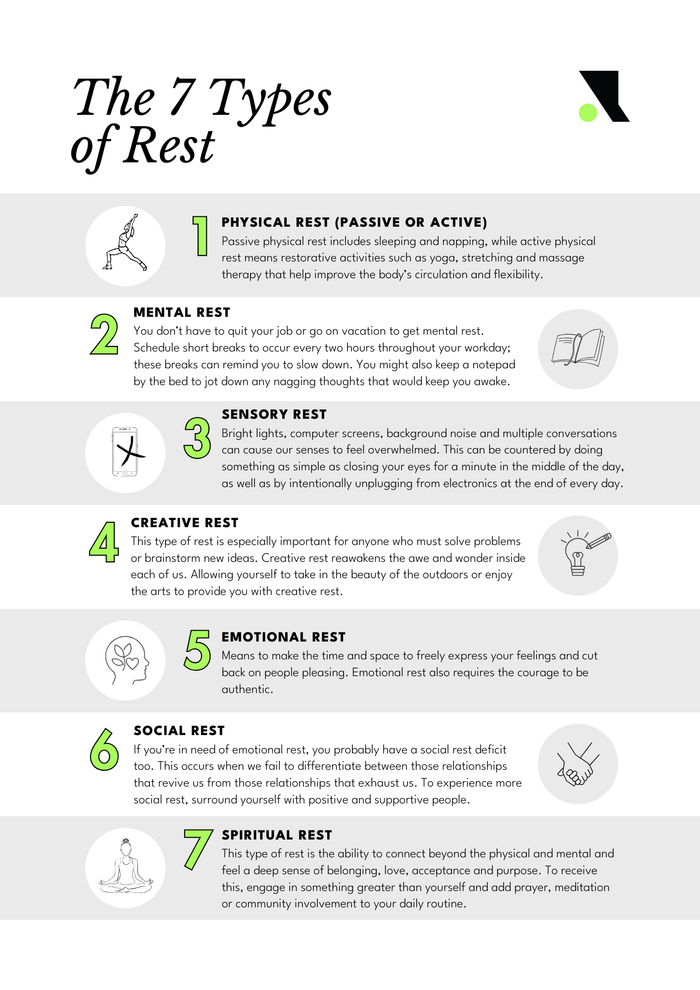
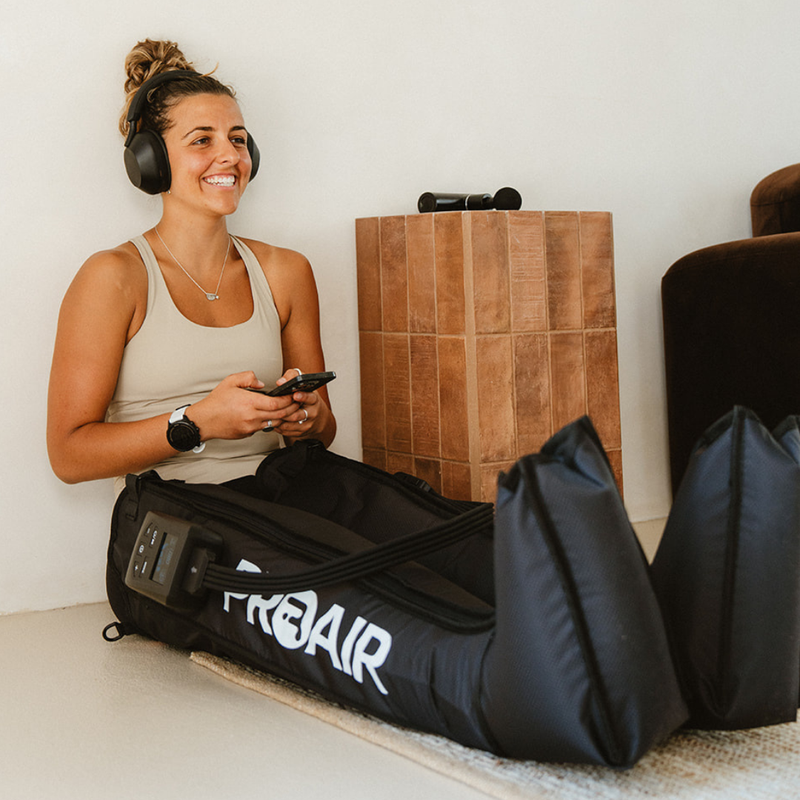
The short answer cyclists recover best with more sleep, carbohydrate and protein soon after big rides, and easy days that are truly easy. Compression boots help your legs feel recovered after long rides and race days. Use them for 20 to 30 minutes once you've eaten.
What does the research say about recovery for cyclists?
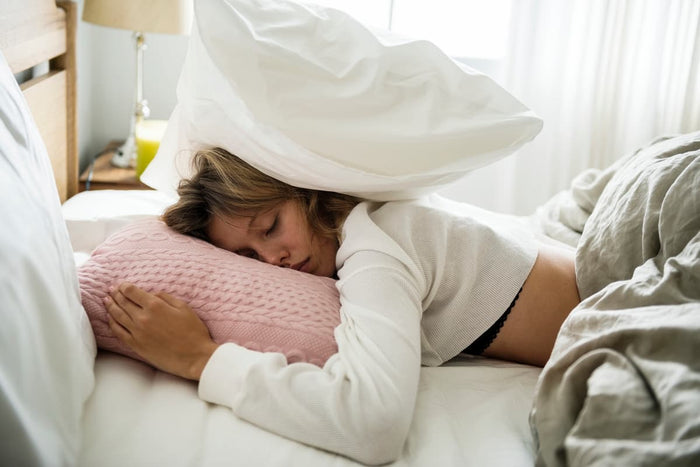
- Sleep. Nine competitive cyclists and triathletes slept about 90 minutes more per night for three nights. Their time trials were about 3% faster than after normal sleep. Two nights of restricted sleep made them about 3% slower (Roberts et al., 2019).
- Compression boots, perceived recovery. After a fatiguing cycling protocol, trained people rated their recovery higher after compression boots than after a sham session (Ferrer-Ramos et al., 2024).
- Compression boots, same day performance. In two studies, boots between efforts did not change power or time trial results 30 minutes later (Overmayer and Driller, 2018; Ferrer-Ramos et al., 2024).
- Across all sports. A 2024 meta-analysis of 17 studies found boots reduced soreness with a small to moderate effect (Maia et al., 2024).
My reading: boots won't add watts to an effort half an hour later. That isn't their job. They help your legs feel better after big days, which matters most when you have to ride again tomorrow.
When should cyclists use compression boots?
This is my practical guidance, built on the studies above.
| Ride | Use boots? | How |
|---|---|---|
| Long endurance ride | Yes, if your legs feel heavy | 20 to 30 minutes later that day, after you've eaten and rehydrated |
| Intervals, hill repeats or a crit | Optional | One session that evening if another hard day is coming |
| Recovery spin | Optional | A short session if your legs still feel flat |
| Multi-day event or tour | Yes, daily | Each evening after dinner. Daily use has been studied over five weeks in athletes (Nuell et al., 2025) |
| Between two races on the same day | Only for comfort | Expect fresher legs, not more power (Overmayer and Driller, 2018) |
| After a Gran Fondo or sportive | Yes, for comfort | A session that evening, then over the next few days if it helps |
| Travelling to an event | Optional | A session once you arrive, if the drive or flight has left you stiff |
What pressure and how long?
- Session length: 20 to 30 minutes. That's what most studies used (Maia et al., 2024).
- Pressure: start low and build to a firm but comfortable squeeze. Around 80 mmHg is the most common research setting.
- Position: lie back with your legs supported and roughly level. Not on the bike.
- Stop if anything tingles, goes numb or hurts.
More detail in How Often Should You Use Compression Boots?
How should cyclists fuel recovery?
Fuelling is where most amateur riders lose the most recovery. Here are the numbers I work from.
- On the bike. For longer rides, 30 to 60 g of carbohydrate per hour is an appropriate target. Rides over 2.5 hours may benefit from up to 90 g per hour (Burke et al., 2011).
- Quick turnaround. If you ride again within the day, Sports Dietitians Australia suggests about 1.2 g of carbohydrate per kg of body weight per hour for the first four hours. For a 70 kg rider, that's about 85 g an hour (Sports Dietitians Australia, 2012).
- Protein. 20 to 30 g of protein in the first hours after riding (Sports Dietitians Australia, 2012). Eating carbohydrate and protein together straight after exercise helps refill glycogen when recovery time is short (Moore, 2015).
- Fluid. Replace 120 to 150% of the fluid you lost over the next 4 to 6 hours (Sports Dietitians Australia, 2012). Weigh yourself before and after a long ride to work it out.
- Normal training days. Frequent meals with enough carbohydrate and protein over the next 8 to 24 hours fully restore your stores (Moore, 2015).
A sports dietitian can tailor these to you. Find out how fuelling fits with everything else in What is Recovery?
How much sleep do cyclists need?
Aim for at least 7 to 9 hours, and more in big training blocks. In the Roberts study, about 8.5 hours a night beat the riders' usual 7 hours (Roberts et al., 2019). Most of us can find that by going to bed earlier.
- Move early bunch rides later when you can, or get to bed earlier the night before.
- After a late race or hard evening session, keep the next morning free so you can sleep in.
- Bank extra sleep in the nights before a big event.
More in The Importance of Sleep.
Is an easy spin good recovery?
Yes, as long as it's easy. A large review found active cool-downs clear lactate from the blood faster but do little for same day or next day performance. They don't blunt training gains either (Van Hooren and Peake, 2018). Use a spin to loosen up, not to get fitter. If you can't chat, it's too hard.
See how easy rides fit with your other recovery in Active vs Passive Recovery.
Which compression boots suit cyclists?
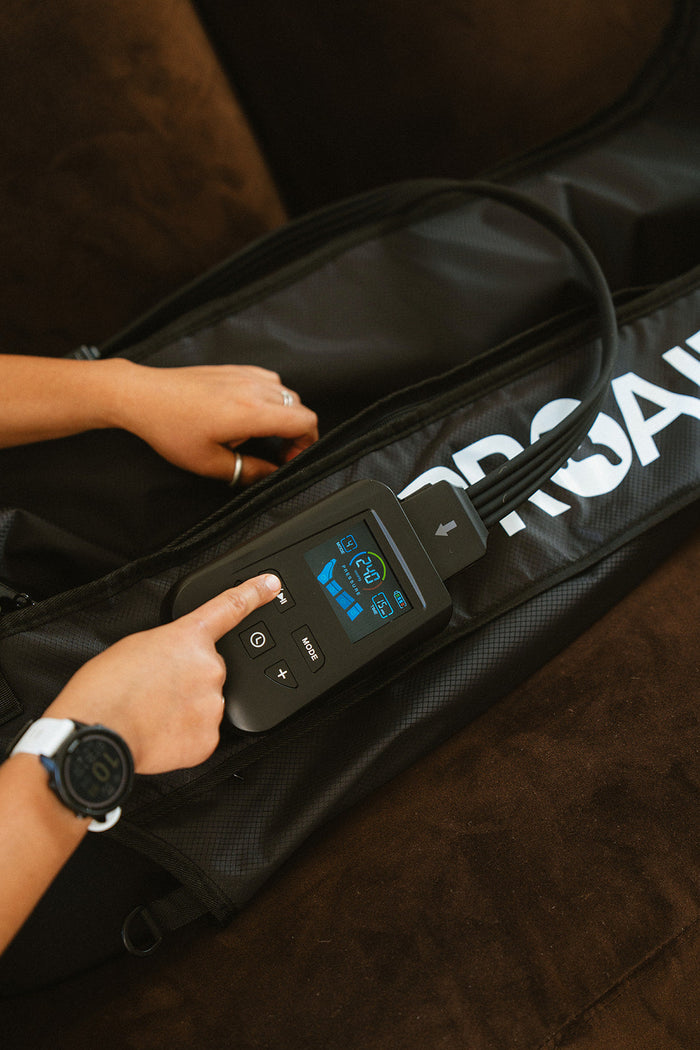
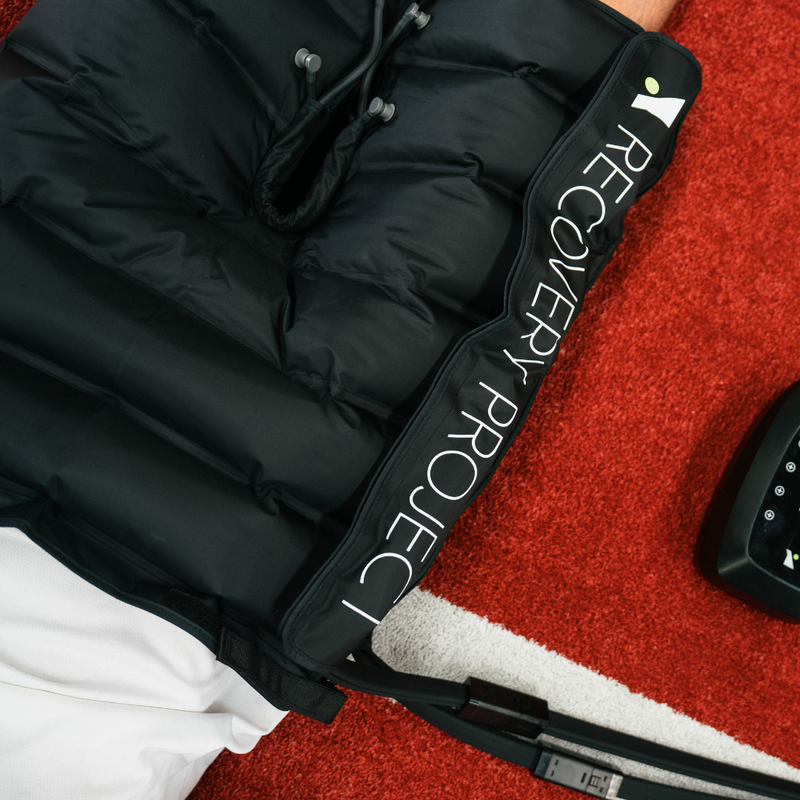
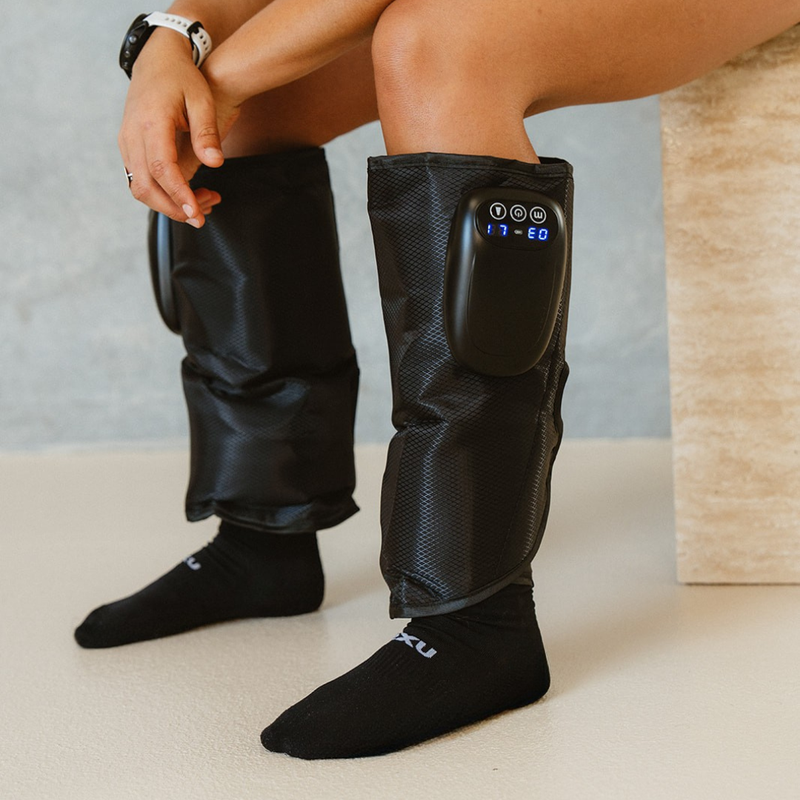
- You travel to events or tours: PROAir Wireless. Mid level, fully wireless, quick to set up, with 30 to 240 mmHg.
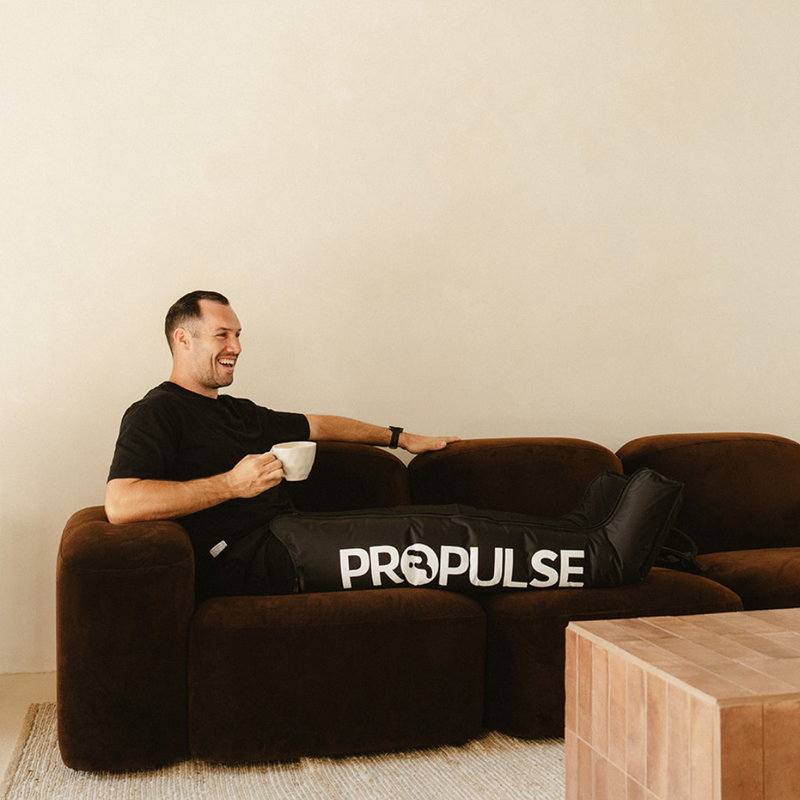
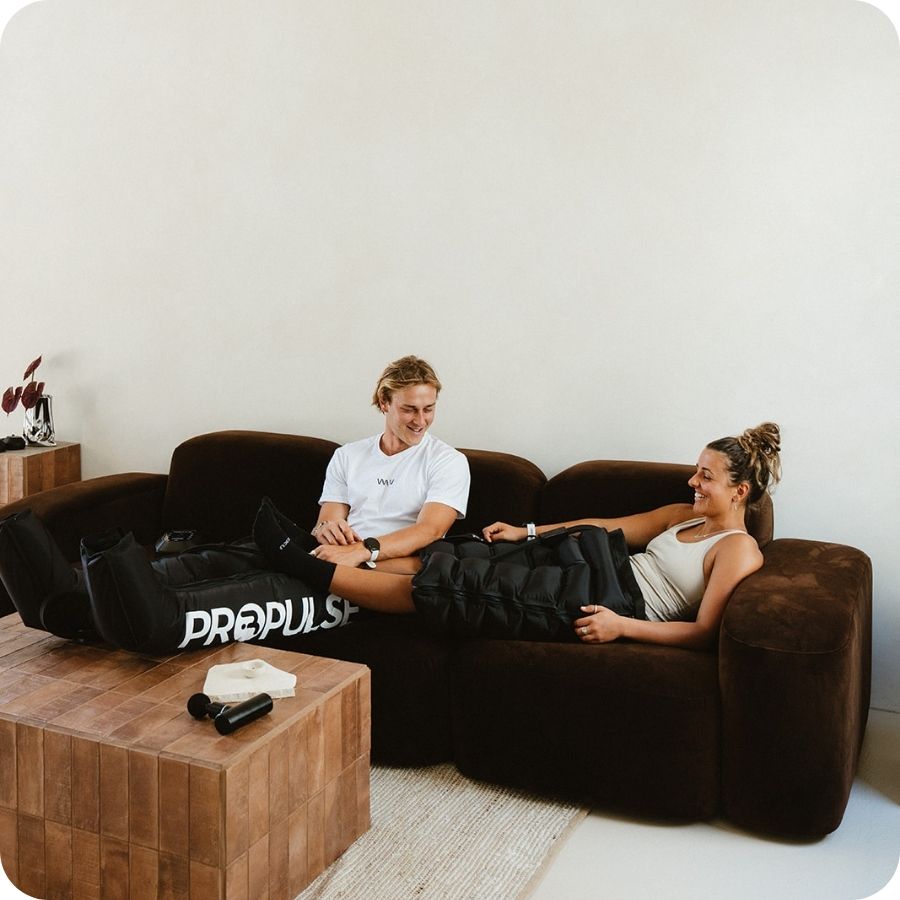
- You mostly recover at home and want control: PROPulse. Pro level. You can switch individual chambers off, for example to focus on your thighs after a hilly ride, and adjust pressure in 5 mmHg steps.
- You want recovery for your whole lower body: Lower Body Compression.
Not sure which suits you? Try the boot finder. Comparing brands? See Best Compression Boots Australia 2026.
Frequently asked questions
Are compression boots good for cyclists?
Yes. After hard cycling, people rate their recovery higher after boots (Ferrer-Ramos et al., 2024), and boots reduce soreness across sports (Maia et al., 2024).
Will compression boots make me faster?
Not on the day. They're built for recovery, so expect fresher legs rather than more watts in your next effort (Overmayer and Driller, 2018).
What should I eat after a long ride?
Carbohydrate and protein together, soon after you finish. Aim for 20 to 30 g of protein and plenty of carbohydrate, plus fluid (Sports Dietitians Australia, 2012).
Can I use compression boots every day during a tour?
Yes. Daily use has been studied in athletes over five weeks (Nuell et al., 2025). Once a day in the evening is plenty.
Do compression boots help with knee pain from cycling?
Boots are a recovery tool, not an injury treatment. We're not medical doctors, so get any persistent pain checked by your GP or a physio, and consider a bike fit.
See also Compression Boots for Runners and Do Compression Boots Actually Work?
References
- Roberts SSH, Teo WP, Aisbett B, Warmington SA. Extended sleep maintains endurance performance better than normal or restricted sleep. Med Sci Sports Exerc. 2019. Summary: Deakin University
- Overmayer RG, Driller MW. Pneumatic compression fails to improve performance recovery in trained cyclists. Int J Sports Physiol Perform. 2018;13:490-495. doi:10.1123/ijspp.2017-0207
- Ferrer-Ramos P, Artés A, Javierre Garcés CF, Viscor Carrasco G, García Alday I. Intermittent sequential pneumatic compression reduces post-exercise hemodilution and enhances perceptual recovery without improving subsequent cycling performance. Sport Sci Health. 2024;20:1369-1377. doi:10.1007/s11332-024-01217-5
- Maia F, Nakamura FY, Sarmento H, Marcelino R, Ribeiro J. Effects of lower-limb intermittent pneumatic compression on sports recovery: a systematic review and meta-analysis. Biol Sport. 2024;41:263-275. doi:10.5114/biolsport.2024.133665
- Nuell S, Rabassa J, Bárcena C, Espar J, Munné C, García I. Effects of daily use of intermittent pneumatic compression in competitive handball players: a randomized controlled trial. Biol Sport. 2025;42:311-321. doi:10.5114/biolsport.2025.151656
- Burke LM, Hawley JA, Wong SHS, Jeukendrup A. Carbohydrates for training and competition. J Sports Sci. 2011;29:S17-S27. doi:10.1080/02640414.2011.585473
- Moore DR. Nutrition to support recovery from endurance exercise: optimal carbohydrate and protein replacement. Curr Sports Med Rep. 2015;14:294-300. doi:10.1249/JSR.0000000000000180
- Sports Dietitians Australia. Recovery nutrition fact sheet. 2012. Fact sheet (PDF)
- Van Hooren B, Peake JM. Do we need a cool-down after exercise? Sports Med. 2018;48:1575-1595. doi:10.1007/s40279-018-0916-2

About the author. Dr Peter Fowler holds a PhD in sport science (Charles Sturt University), where he researched sleep and recovery in athletes, and an MSc in exercise physiology (Loughborough University). He is an ESSA Accredited Sports Scientist (Level 2). He has spent more than 15 years in high-performance sport and athlete recovery, including roles at the Australian Institute of Sport, Tottenham Hotspur and Aspetar in Qatar. He co-founded The Recovery Project with Amanda Fowler. Read Dr Fowler's full background.