The 14 Night Sleep Reset: A Two Week Plan to Sleep Better
 Dr Peter Fowler, PhDSport scientist and co-founder

In this guide
The short answer a sleep reset works best as one change at a time. Spend nights 1 to 4 fixing your wake time, nights 5 to 8 building a wind-down, nights 9 to 11 checking caffeine and alcohol, and nights 12 to 14 reviewing what worked. Two weeks is enough to feel the difference and build habits that stick.
Why reset your sleep in 14 nights?
Most people try to fix everything at once. New bedtime, no screens, no coffee, a meditation app and a new pillow, all on a Monday. By Thursday it has all fallen over.
I've spent my career working on sleep and recovery with athletes, and the plans that last are the simple ones. One focus at a time. Each phase builds on the last. This plan is a two week version of my 28 day sleep challenge, built around four themes: your schedule, your wind-down, what you drink, and how you track.
Before night 1, take the free sleep habits check. It shows which habits to focus on. Want each night's step in your inbox? Join the free 14 night sleep reset challenge.
Nights 1 to 4: how do you fix your sleep schedule?
Start with your wake time. It is the anchor for everything else.
- Pick a wake time and keep it. Every day, weekends included. If your schedule has to vary, keep the wake time steady and let bedtime flex.
- Use a one hour window. Aim for your bedtime and wake time to fall within the same one hour window each night.
- Set a bedtime alarm. About 60 minutes before your ideal bedtime. That is your cue to start winding down.
- Get morning light. At least 30 minutes of bright light in the morning, ideally outdoors. Pair it with a walk or training if you can.
- Skip the snooze button. If you need more rest, a short nap later is better.
Why regularity matters: in a 30 day study of 61 university students, irregular sleepers had a body clock running about two and a half hours later than regular sleepers. They also got less light, and more regular sleep went with better grades (Phillips et al., 2017). Irregular sleep is like giving yourself mild jet lag every week.
Nights 5 to 8: how do you build a wind-down routine?
Now that your timing is steady, give your brain a clear signal that the day is over.
- Dim the lights when your bedtime alarm goes off.
- Phone off and out of the bedroom 30 to 60 minutes before bed. If you must use it, turn on Do Not Disturb and drop the brightness.
- Do something relaxing. A warm shower, a paper book or a podcast.
- Practise breathing. Box breathing: in for 4 seconds, hold for 4, out for 4, hold for 4. Or 4-7-8 breathing: in for 4, hold for 7, out for 8. Controlling your breathing helps activate the calming side of your nervous system.
Keep the bedroom cool, dark and quiet. The athlete sleep consensus suggests 17 to 22 °C and removing light, technology and noise (Walsh et al., 2021). The full routine, step by step, is in The Pre-Sleep Routine for Athletes.
Nights 9 to 11: how do caffeine and alcohol affect your sleep?
This phase is a short audit. Keep a simple sleep diary: what you drank, when, and how you slept.
- Caffeine. A 2023 meta-analysis of 24 studies found caffeine cut total sleep by 45 minutes. The authors suggest a standard coffee at least 8.8 hours before bed, and a typical pre-workout at least 13.2 hours before bed (Gardiner et al., 2023). For a 10 pm bedtime, that means the last coffee by about 1 pm.
- Alcohol. It may help you nod off, but it fragments the second half of the night and reduces dream (REM) sleep at moderate and high doses (Ebrahim et al., 2013). Try these three nights alcohol free and compare your diary.
My reading: most people are surprised by how much an afternoon coffee or two drinks with dinner shows up in their diary.
Nights 12 to 14: should you trust your sleep tracker?
Use it for trends, not verdicts. Trackers are great for spotting patterns across a few weeks. They are less reliable for any single night, and especially for sleep stages.
- Accuracy varies. A 2023 study tested 11 consumer sleep trackers against lab sleep studies in 75 people. Agreement on sleep stages ranged from slight to moderate, and wearables tended to overestimate sleep (Lee et al., 2023).
- Watch for orthosomnia. Sleep researchers coined this term for people who become fixated on perfect sleep scores. The worry about the numbers can make sleep worse (Baron et al., 2017).
- Use it wisely. Look at weekly trends, not daily scores. Track for two weeks to a month, then take a break.
The expert consensus agrees. Consumer devices typically overestimate sleep and some athletes become preoccupied with their data (Walsh et al., 2021). I've written more in Sleep Monitoring and Elite Sport.
What does the full 14 night plan look like?
| Night | Focus | Tonight's step |
|---|---|---|
| 1 | Schedule | Choose your wake time. Set it for every day this fortnight. |
| 2 | Schedule | Set a bedtime alarm 60 minutes before your ideal bedtime. |
| 3 | Schedule | Get 30 minutes of morning light. No snooze button. |
| 4 | Schedule | Check you stayed within your one hour window. Adjust if needed. |
| 5 | Wind-down | Dim the lights when your bedtime alarm goes off. |
| 6 | Wind-down | Phone out of the bedroom. Charge it in another room. |
| 7 | Wind-down | Add a warm shower and a paper book or podcast. |
| 8 | Wind-down | Practise box or 4-7-8 breathing at lights out. |
| 9 | Drinks | Start a sleep diary. Note every coffee, tea, energy drink and pre-workout. |
| 10 | Drinks | Move your last caffeine to at least 8 to 9 hours before bed. |
| 11 | Drinks | Alcohol free night. Compare how you feel in the morning. |
| 12 | Tracking | Look at your weekly trend, not last night's score. |
| 13 | Tracking | Rate how refreshed you feel each morning, out of 10. |
| 14 | Review | Redo the sleep habits check. Keep the three changes that helped most. |
What if you have a bad night during the reset?
Keep going. One bad night doesn't undo the plan. The mistakes I see most:
- Sleeping in after a bad night. Get up at your usual time. It builds sleep drive for the next night.
- Taking a long nap. Keep naps under 30 minutes, and skip them if you struggle to fall asleep at night (Walsh et al., 2021).
- Going to bed tired but not sleepy. Wait for heavy eyelids and yawning.
- Trying too hard. Sleep is passive. Focus on something you enjoy and let it come.
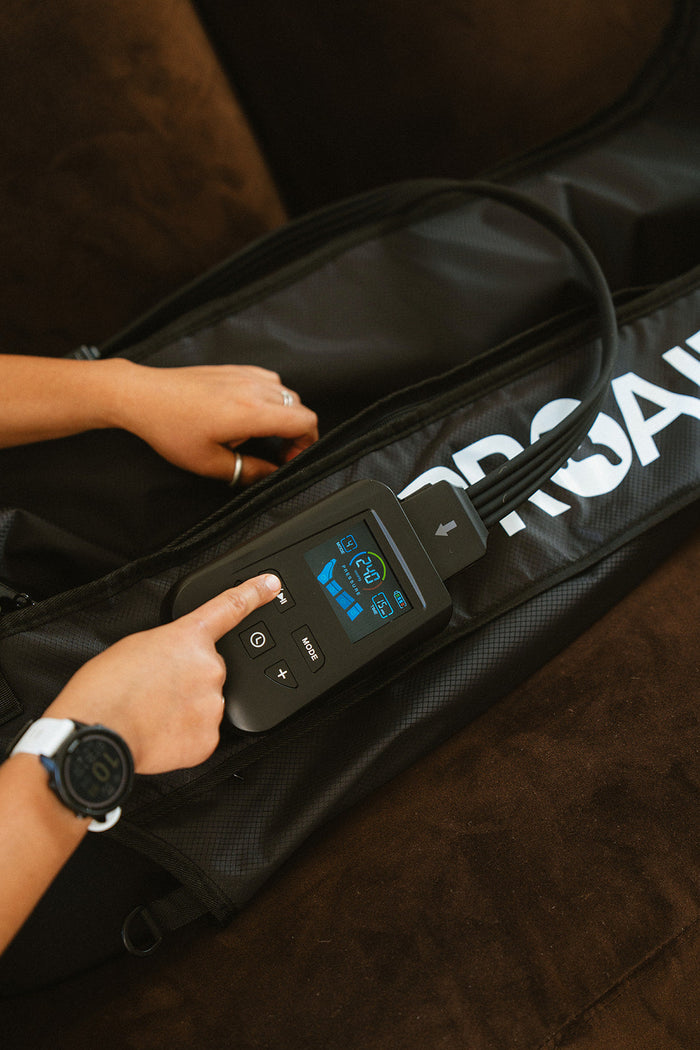
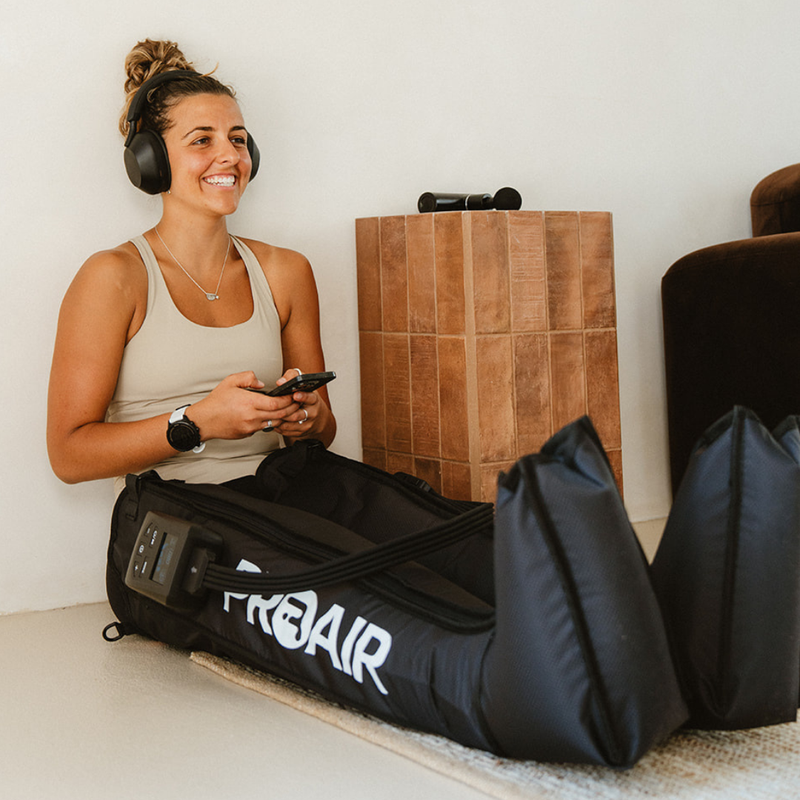
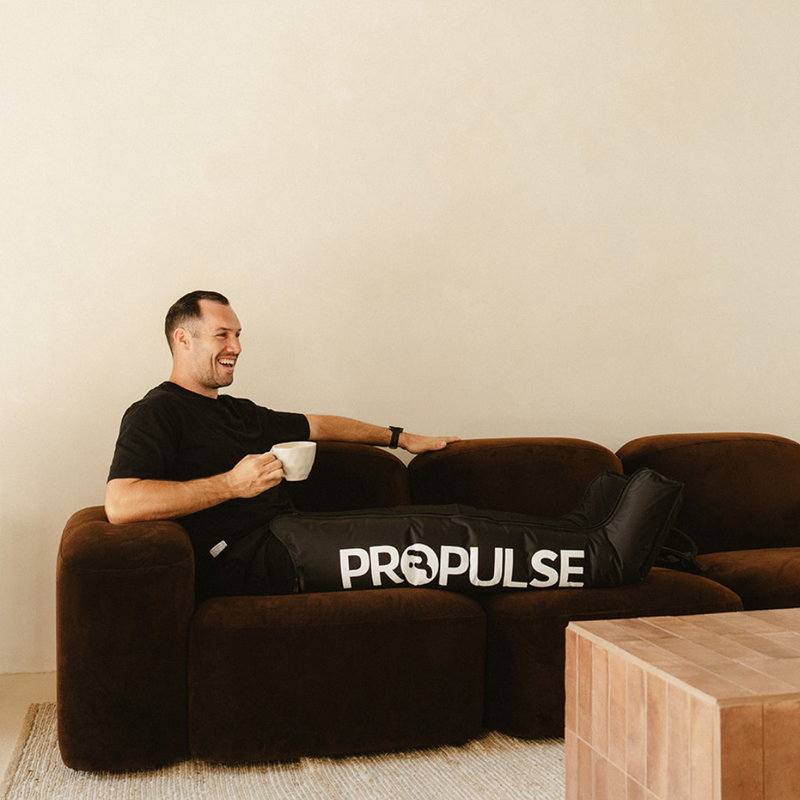
Sleep is one part of recovery. If your legs are heavy after training, an evening session in PROAir Wireless boots fits nicely before your wind-down starts.
Frequently asked questions
Can you really reset your sleep in two weeks?
Yes, for most habit-based sleep problems. Two weeks is enough to settle a regular schedule and a wind-down routine, and to see clear patterns in a sleep diary.
Should I go to bed earlier to catch up?
No. Keep your wake time fixed and only go to bed when you're sleepy. A steady wake time does more than an early night.
Do I need a sleep tracker for this plan?
No. A simple diary and a morning rating out of 10 work well. If you do use a tracker, look at weekly trends (Lee et al., 2023).
What is the best time for my last coffee?
At least 8.8 hours before bed for a standard coffee, and 13.2 hours for a typical pre-workout (Gardiner et al., 2023).
What if I still feel tired after 14 nights?
This plan is a habits reset, not a diagnosis. If you consistently wake up unrefreshed, see your GP or a sleep professional for a proper assessment.
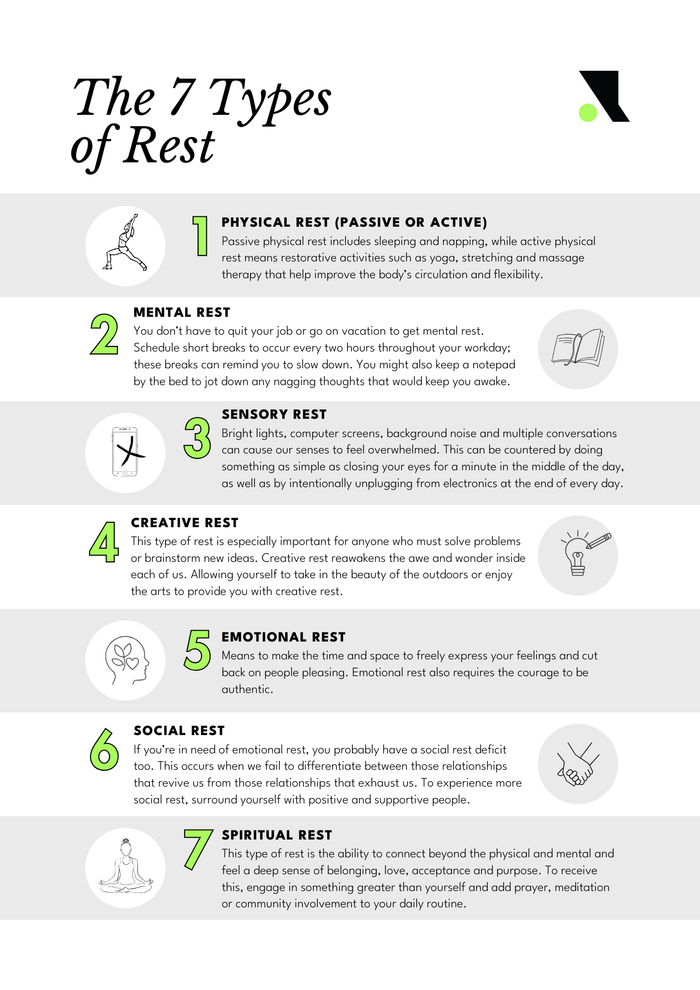
See also The Importance of Sleep, Your Sleep Type = Your Recovery Style and The 7 Types of Rest.
References
- Phillips AJK, Clerx WM, O'Brien CS, Sano A, Barger LK, Picard RW, Lockley SW, Klerman EB, Czeisler CA. Irregular sleep/wake patterns are associated with poorer academic performance and delayed circadian and sleep/wake timing. Sci Rep. 2017;7(1). doi:10.1038/s41598-017-03171-4
- Walsh NP, Halson SL, Sargent C, Roach GD, Nédélec M, Gupta L, et al. Sleep and the athlete: narrative review and 2021 expert consensus recommendations. Br J Sports Med. 2021;55(7):356-368. doi:10.1136/bjsports-2020-102025
- Gardiner C, Weakley J, Burke LM, Roach GD, Sargent C, Maniar N, Townshend A, Halson SL. The effect of caffeine on subsequent sleep: a systematic review and meta-analysis. Sleep Med Rev. 2023;69:101764. doi:10.1016/j.smrv.2023.101764
- Ebrahim IO, Shapiro CM, Williams AJ, Fenwick PB. Alcohol and sleep I: effects on normal sleep. Alcohol Clin Exp Res. 2013 (April issue). doi:10.1111/acer.12006
- Lee T, Cho Y, Cha KS, et al. Accuracy of 11 wearable, nearable, and airable consumer sleep trackers: prospective multicenter validation study. JMIR Mhealth Uhealth. 2023;11:e50983. doi:10.2196/50983
- Baron KG, et al. Orthosomnia: are some patients taking the quantified self too far? J Clin Sleep Med. 2017. Summary from Rush University: rushu.rush.edu

About the author. Dr Peter Fowler holds a PhD in sport science (Charles Sturt University), where he researched sleep and recovery in athletes, and an MSc in exercise physiology (Loughborough University). He is an ESSA Accredited Sports Scientist (Level 2). He has spent more than 15 years in high-performance sport and athlete recovery, including roles at the Australian Institute of Sport, Tottenham Hotspur and Aspetar in Qatar. He co-founded The Recovery Project with Amanda Fowler. Read Dr Fowler's full background.