The 7 Types of Rest: Why Sleep Alone Isn't Enough
 Dr Peter Fowler, PhDSport scientist and co-founder

In this guide
The short answer the 7 types of rest are physical, mental, sensory, creative, emotional, social and spiritual. Sleep and recovery sessions cover the physical side, but if you still feel flat, one of the other six is often what's missing. Find your biggest gap and add one small habit for it each day.
What are the 7 types of rest?
The idea comes from Dr Saundra Dalton-Smith, a US physician and author of Sacred Rest. Her point is simple. Sleep is one type of rest, and there are six others (Dalton-Smith, 2019). You can sleep eight hours and still feel exhausted if the others are empty.
I've shared this framework for years because it is a useful reminder. Feeling flat isn't always about training load or sleep. Often it is one of the other six.
| Type of rest | What it is | A small daily habit |
|---|---|---|
| 1. Physical | Passive (sleep, naps) and active (stretching, yoga, massage) | A 20 to 30 minute recovery session after hard days |
| 2. Mental | Breaks from thinking hard and problem solving | A short break every two hours |
| 3. Sensory | Relief from screens, bright light, noise and chatter | Unplug from devices at the end of the day |
| 4. Creative | Space for awe and fresh ideas | Time outdoors or with music and art |
| 5. Emotional | Freedom to say how you really feel | Cut back on people pleasing |
| 6. Social | Time with people who lift you up | Quality time with family and friends |
| 7. Spiritual | Belonging, purpose and connection | Meditation, prayer or community involvement |
Download the 7 types of rest printable and stick it on the fridge.
What is physical rest, and is it the most important?
For athletes, physical rest comes first. It has two sides.
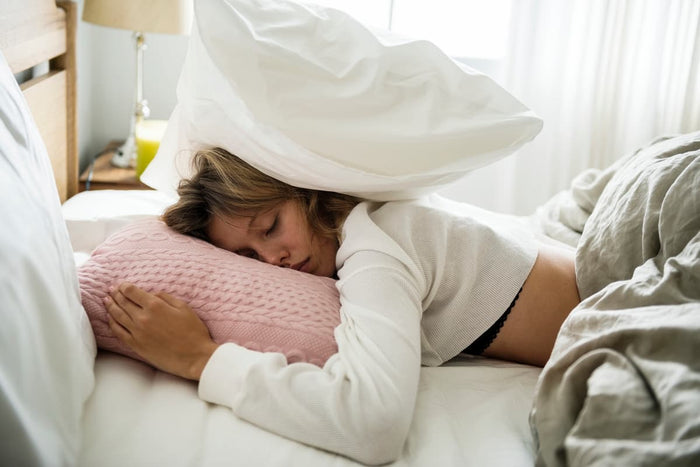
- Passive physical rest. Sleep and naps. Sleep is the foundation of recovery. If you nap, keep it under 30 minutes and in the early afternoon (Walsh et al., 2021).
- Active physical rest. Restorative activities like yoga, stretching, an easy walk and massage. A meta-analysis of 107 studies found massage and active recovery both reduced muscle soreness after exercise (Dupuy et al., 2018).
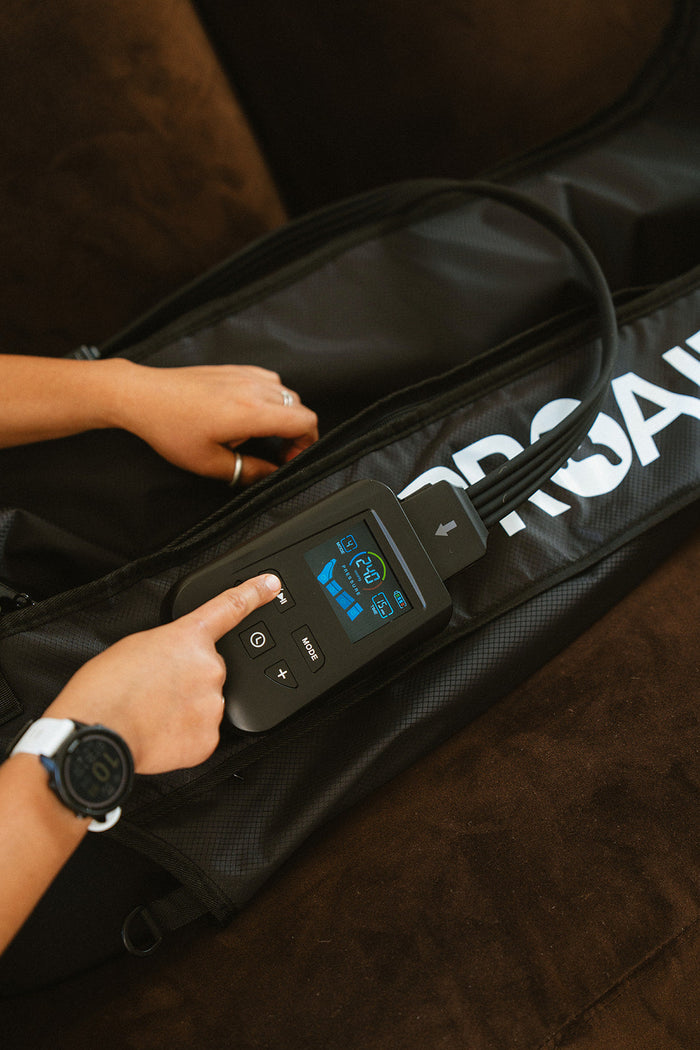
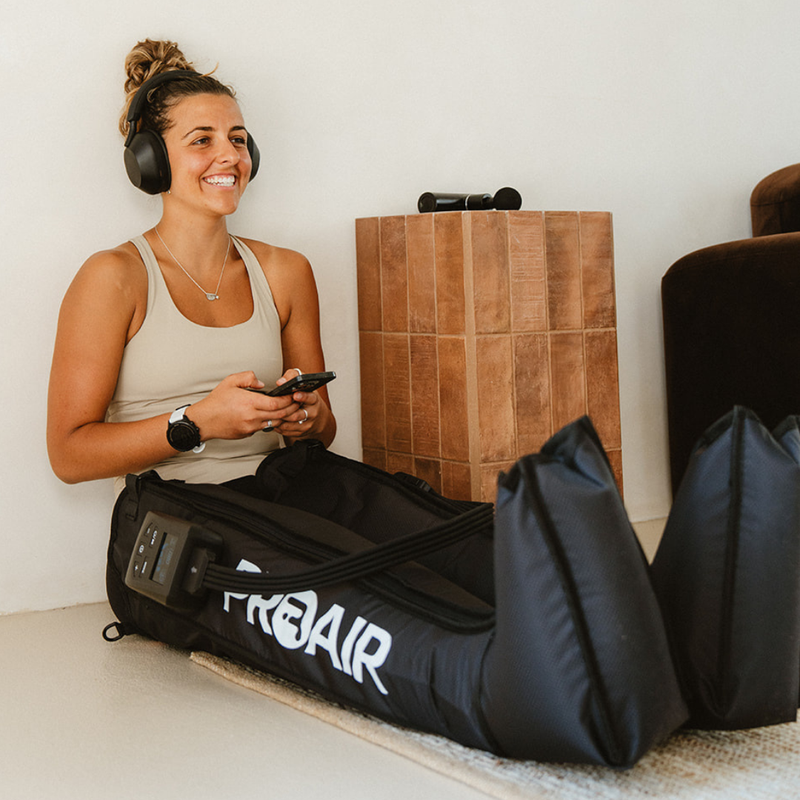
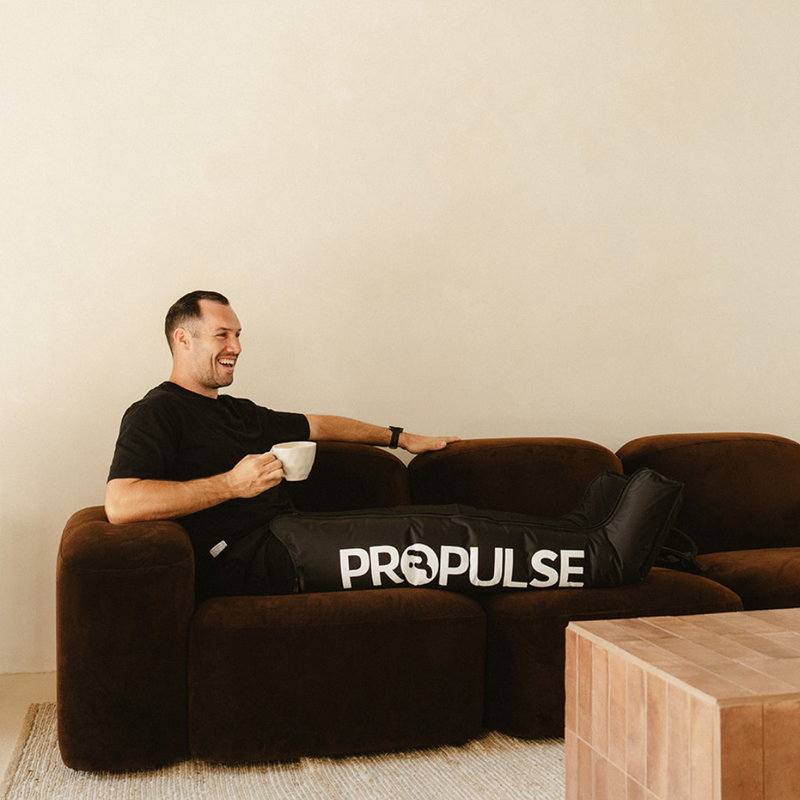
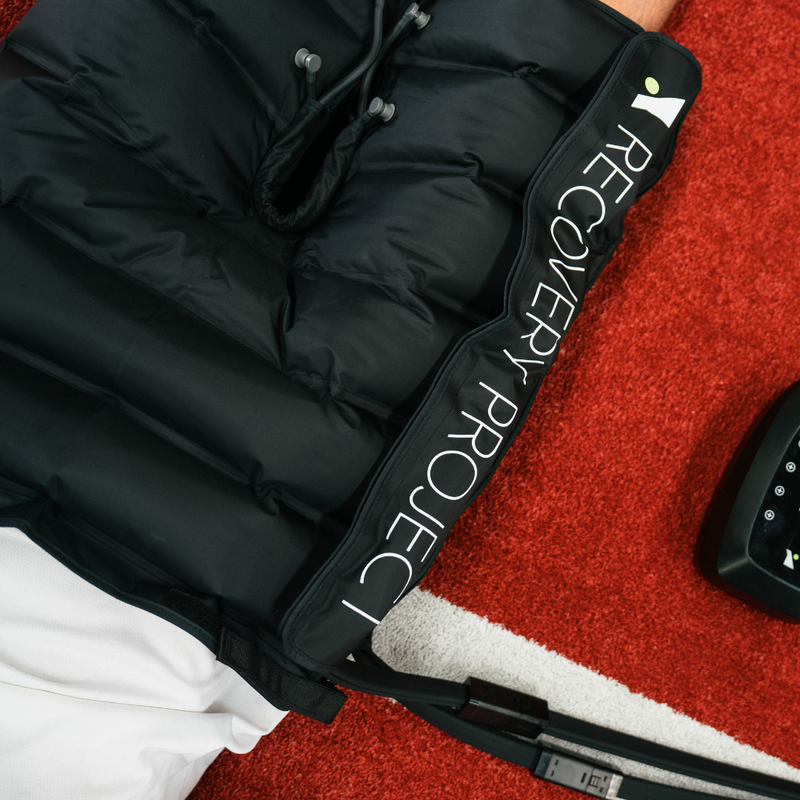
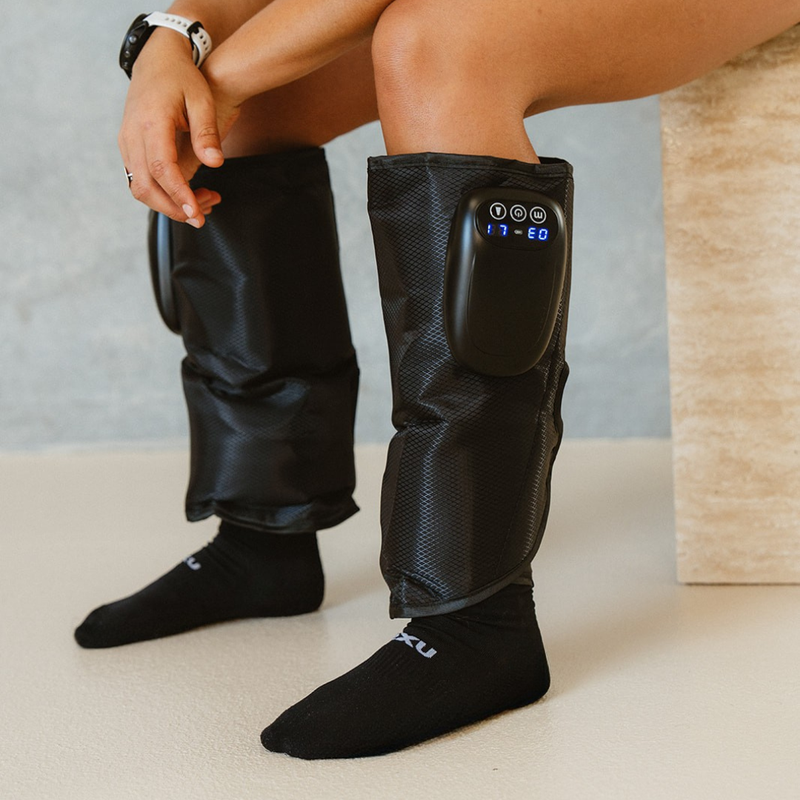
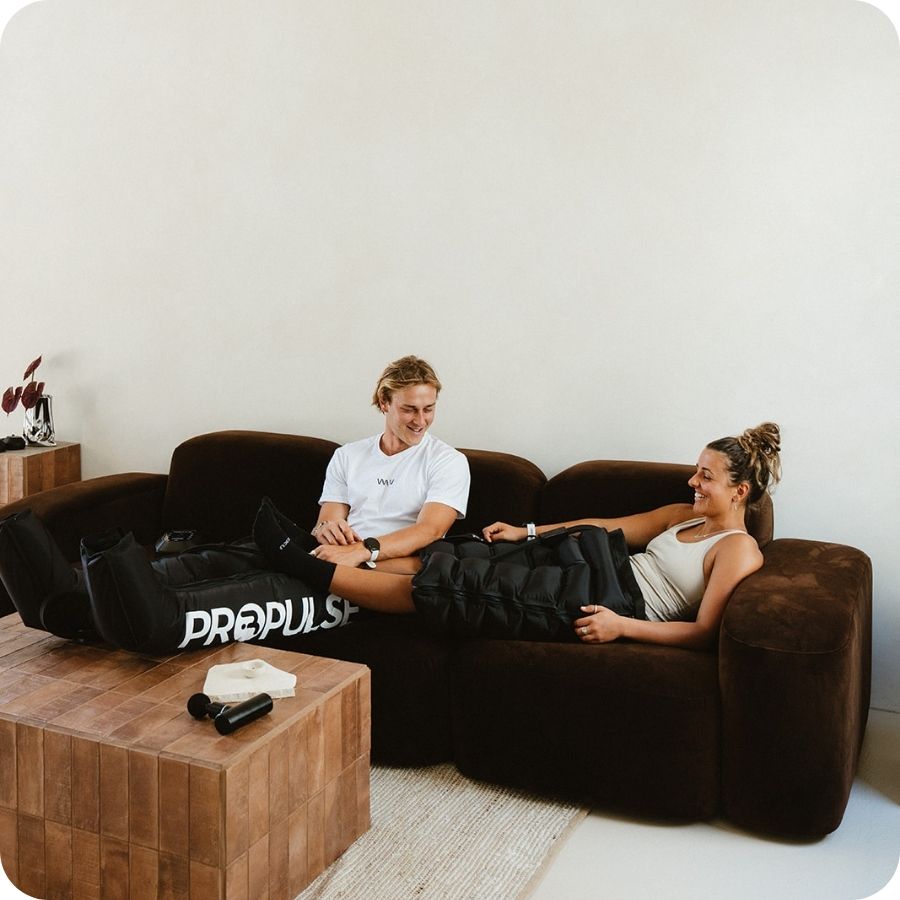
Compression boots sit right in the middle. You rest completely while the boots give your legs a firm, massage-like squeeze. A 2024 meta-analysis of 17 studies found boots reduced soreness after exercise (Maia et al., 2024). The PROPulse compression boots and PROAir Wireless make that an easy evening habit.
When you choose a physical recovery method, I still ask the same three questions I've used for years:
- How long is your recovery window? Less than 24 hours until your next session, or 24 to 72 hours?
- What are you recovering from? Strength work with more muscle damage, or endurance work with more metabolic fatigue?
- What are you recovering for? Is the next session important, or is adaptation the priority?
What is mental rest?
Mental rest is a break from concentrating. You don't need a holiday to get it.
- Take short breaks. A meta-analysis of 22 study samples found micro-breaks during work gave small boosts to energy and small reductions in fatigue (Albulescu et al., 2022).
- Switch off after work. A meta-analysis of 91 samples and more than 38,000 employees found that mentally detaching from work in your own time was linked with less fatigue, better wellbeing and better sleep (Wendsche and Lohmann-Haislah, 2017).
- Keep a notepad by the bed. Write down nagging thoughts so they don't keep you awake.
What is sensory rest?
Bright lights, screens, background noise and constant conversations can leave your senses overloaded. The fix can be as simple as closing your eyes for a minute in the middle of the day.
The bigger win is unplugging at night. Reading on a light-emitting screen before bed, compared with a printed book, delayed sleep and the body clock and left people less alert the next morning (Chang et al., 2015). My pre-sleep routine for athletes shows how to build this in.
What is creative rest?
Creative rest matters for anyone who solves problems or needs new ideas. That includes coaches, students and anyone running a business. It means letting yourself take in something beautiful, like the outdoors, music or art.
This one has less sport research behind it, so here is my practical view. An easy walk in nature ticks two boxes at once: active physical rest and creative rest. It is one of the best value habits you can add.
What are emotional, social and spiritual rest?
These three are closely linked. The research in athletes is thin, but most people recognise them straight away.
- Emotional rest. Making time and space to say how you really feel, and cutting back on people pleasing. It takes some courage to be authentic.
- Social rest. If you need emotional rest, you probably need social rest too. Notice which relationships revive you and which ones drain you. Spend more time with positive, supportive people.
- Spiritual rest. Feeling a sense of belonging, acceptance and purpose. Connect with something bigger than yourself, such as meditation, prayer, a club or community involvement.
My reading: for many athletes, the team or training group is a big source of social and spiritual rest. That is worth protecting when you're injured or between seasons.
How do you score your recovery each day?
I built the Recovery Points System to make this practical. Each habit earns points, and the goal is at least 60 points a day. It covers physical, mental and social rest in one place.
| Points | Habit | Type of rest |
|---|---|---|
| 20 | 7 to 9 hours good quality sleep | Physical (passive) |
| 20 | Optimal nutrition, the 5 Rs: refuel, repair, rehydrate, reduce inflammation, replenish micronutrients | Physical |
| 15 | Cold or contrast water therapy (accumulate 10 minutes cold) | Physical |
| 15 | 20 minutes active pool recovery, or an easy cycle or walk in nature | Physical (active), creative |
| 10 | 15 to 30 minute nap, or meditation and mindfulness | Physical, mental, spiritual |
| 10 | 30 minutes sauna | Physical |
| 10 | Compression socks or boots (20 to 30 minutes in boots) | Physical (passive) |
| 10 | Quality time with family and friends | Social, emotional |
| 5 | 30 to 60 minutes massage | Physical (active) |
| 5 | 15 to 30 minutes release, stretch or mobility | Physical (active) |
Why points? Much of the benefit of recovery strategies shows up in how you feel, and belief in a method plays a part. So as long as a habit does no harm, I'd rather you pick the ones you enjoy and will actually do. Try the Recovery Points calculator to add up your day, or read How Many Recovery Points Do You Score?
Frequently asked questions
Who created the 7 types of rest?
Dr Saundra Dalton-Smith, a US internal medicine physician, in her book Sacred Rest and her TEDx talk (Dalton-Smith, 2019).
Is sleep the same as rest?
No. Sleep is one type of physical rest. You can sleep well and still feel drained if you're low on mental, sensory or social rest.
Which type of rest do athletes need most?
Physical rest comes first, starting with sleep. After that, mental and sensory rest are the most common gaps I see, especially in athletes who study or work full time.
Do compression boots count as rest?
Yes. They are passive physical rest. You sit back while the boots work, and they reduce soreness after exercise (Maia et al., 2024). Pair a session with a podcast or a book and you add mental rest too.
How do I know which type of rest I'm missing?
Read the table and ask which description sounds most like your week. Start with that one. If you feel exhausted for weeks no matter what you change, see your GP to rule out anything else.
See also What is Recovery?, The Importance of Sleep and Top 5 Recovery Tips.
References
- Dalton-Smith S. The real reason why we are tired and what to do about it. TEDxAtlanta. 2019. ted.com
- Walsh NP, Halson SL, Sargent C, Roach GD, Nédélec M, Gupta L, et al. Sleep and the athlete: narrative review and 2021 expert consensus recommendations. Br J Sports Med. 2021;55(7):356-368. doi:10.1136/bjsports-2020-102025
- Dupuy O, Douzi W, Theurot D, Bosquet L, Dugué B. An evidence-based approach for choosing post-exercise recovery techniques to reduce markers of muscle damage, soreness, fatigue, and inflammation: a systematic review with meta-analysis. Front Physiol. 2018;9:403. doi:10.3389/fphys.2018.00403
- Maia F, Nakamura FY, Sarmento H, Marcelino R, Ribeiro J. Effects of lower-limb intermittent pneumatic compression on sports recovery: a systematic review and meta-analysis. Biol Sport. 2024;41(4):263-275. doi:10.5114/biolsport.2024.133665
- Albulescu P, Macsinga I, Rusu A, Sulea C, Bodnaru A, Tulbure BT. "Give me a break!" A systematic review and meta-analysis on the efficacy of micro-breaks for increasing well-being and performance. PLoS One. 2022;17(8):e0272460. doi:10.1371/journal.pone.0272460
- Wendsche J, Lohmann-Haislah A. A meta-analysis on antecedents and outcomes of detachment from work. Front Psychol. 2017;7:2072. doi:10.3389/fpsyg.2016.02072
- Chang AM, Aeschbach D, Duffy JF, Czeisler CA. Evening use of light-emitting eReaders negatively affects sleep, circadian timing, and next-morning alertness. Proc Natl Acad Sci USA. 2015;112(4):1232-1237. doi:10.1073/pnas.1418490112

About the author. Dr Peter Fowler holds a PhD in sport science (Charles Sturt University), where he researched sleep and recovery in athletes, and an MSc in exercise physiology (Loughborough University). He is an ESSA Accredited Sports Scientist (Level 2). He has spent more than 15 years in high-performance sport and athlete recovery, including roles at the Australian Institute of Sport, Tottenham Hotspur and Aspetar in Qatar. He co-founded The Recovery Project with Amanda Fowler. Read Dr Fowler's full background.