A Weekly Recovery Plan for Busy People
 Dr Peter Fowler, PhDSport scientist and co-founder

In this guide
The short answer if you work and train, plan your recovery like you plan your sessions. Protect 7 or more hours of sleep, eat well around training, and add one 10 to 30 minute recovery habit each day. That's enough to hit 60 Recovery Points on most days without adding hours to your week.
Why do busy people need a recovery plan?
Because your body doesn't separate training stress from life stress. Work deadlines, broken sleep and family logistics all draw from the same recovery budget.
- Stress slows recovery. In one study, people with more life stress recovered muscle strength more slowly after a hard leg session. They also reported less energy, more fatigue and more soreness over the next four days (Stults-Kolehmainen et al., 2014).
- Recovery should be planned. The international consensus on recovery says recovery should be periodised and matched to the individual, just like training (Kellmann et al., 2018).
My reading: busy people don't need more recovery tools. They need a simple plan that fits into the gaps they already have.
How much recovery do you actually need?
I use my Recovery Points System. Aim for at least 60 points a day. Here's how the points work:
| Habit | Points |
|---|---|
| 7 to 9 hours of good quality sleep | 20 |
| Good nutrition (the 5 R's: refuel, repair, rehydrate, reduce inflammation, replenish micronutrients) | 20 |
| Cold or contrast water (accumulate 10 minutes cold) | 15 |
| 20 minutes of active pool recovery, or an easy cycle or walk in nature | 15 |
| 15 to 30 minute nap, or meditation and mindfulness | 10 |
| 30 minutes of sauna | 10 |
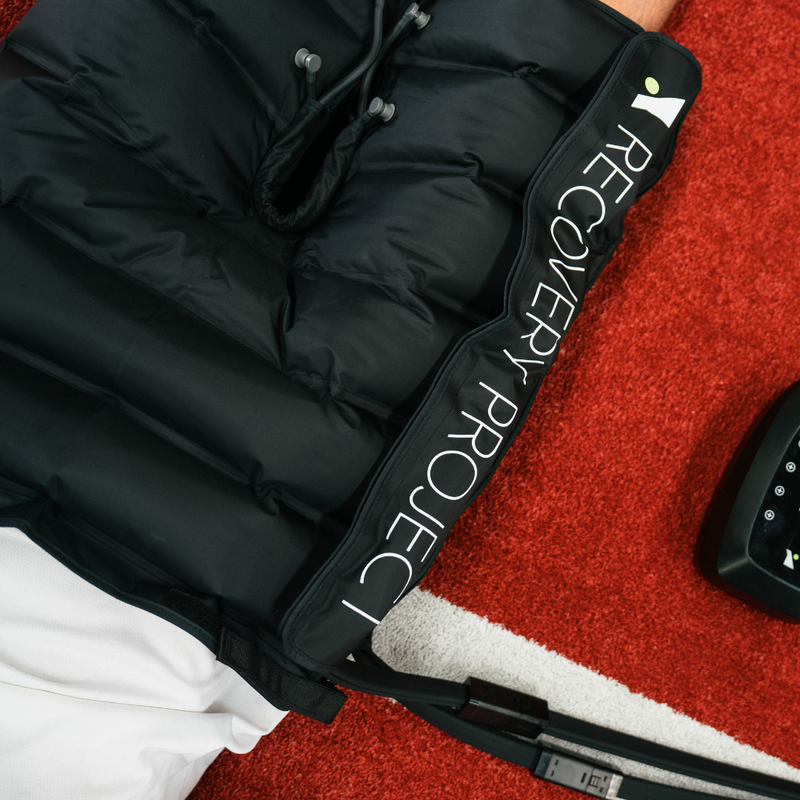
| Compression socks or boots (20 to 30 minutes in boots) | 10 |
| Quality time with family and friends | 10 |
| 30 to 60 minutes of massage | 5 |
| 15 to 30 minutes of release, stretching or mobility | 5 |
Look at the top two rows. Sleep and food are worth 40 of your 60 points. That's on purpose. Adults should sleep 7 or more hours a night on a regular basis (Watson et al., 2015). Get those two right and you only need one or two small habits to finish the day.
Add up your own day with the Recovery Points calculator.
What does a realistic recovery week look like?
This plan suits someone working full time and training four or five times a week. That's in line with Australia's guidelines of 150 to 300 minutes of moderate activity a week, plus muscle strengthening on at least two days (Department of Health, 2021).
| Day | Training | Recovery habits | Points |
|---|---|---|---|
| Monday | Strength, before work | Sleep, good meals, 20 minute walk at lunch, 15 minutes of stretching before bed | 60 |
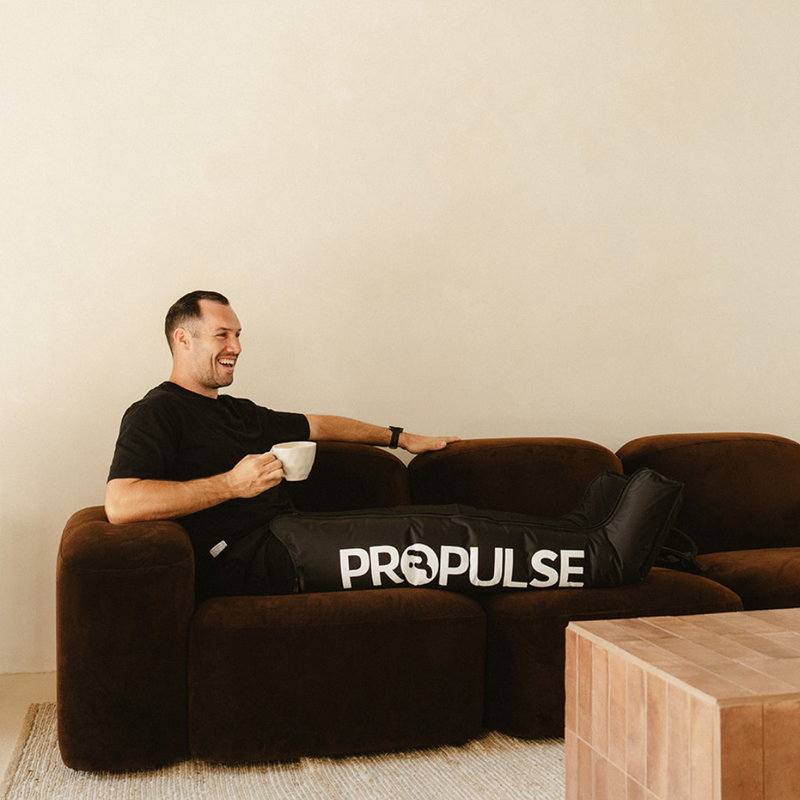
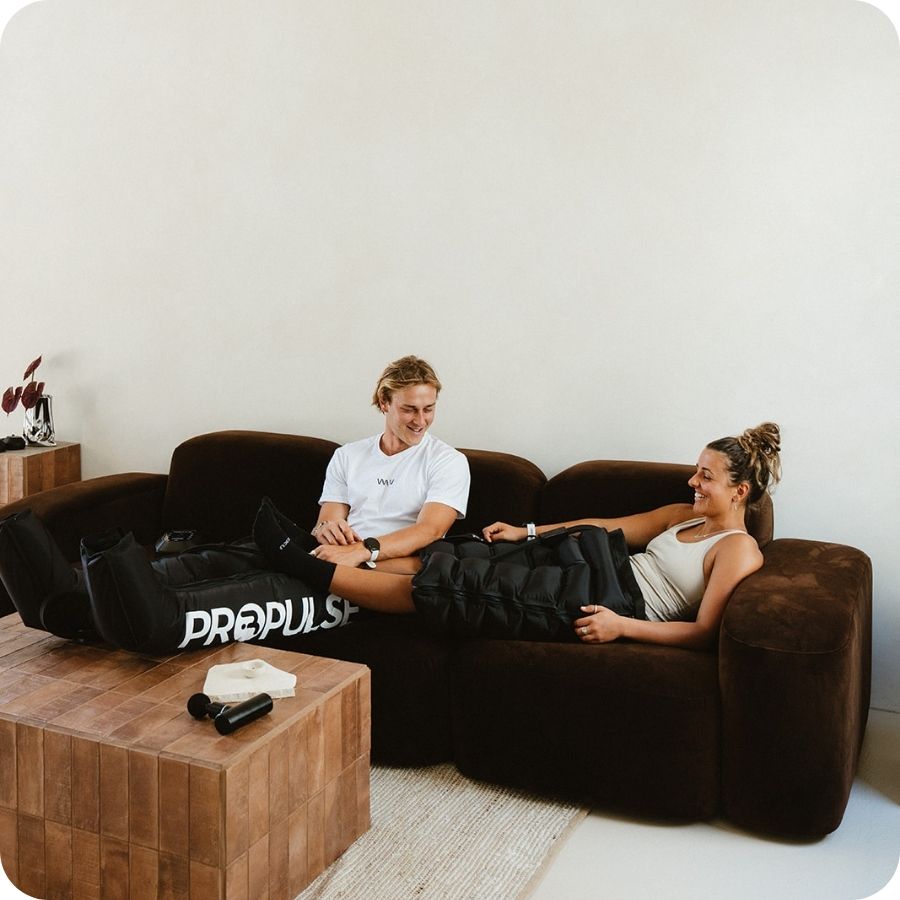
| Tuesday | Run, ride or class after work | Sleep, good meals, 30 minutes in boots while you watch TV, dinner with the family | 60 |
| Wednesday | Rest | Sleep, good meals, 20 minute walk at lunch, 15 minutes of mindfulness | 65 |
| Thursday | Strength, before work | Sleep, good meals, 15 minutes of mindfulness on the commute home, stretching before bed | 55 |
| Friday | Easy session or rest | Sleep, good meals, dinner with friends, 30 minutes in boots | 60 |
| Saturday | Long session, game or event | Sleep, refuel well, 30 minutes in boots, a nap if you can | 60 |
| Sunday | Rest | Sleep, good meals, family walk or swim, time together, sauna if you have access | 75 |
Every day starts with 20 points for sleep and 20 for nutrition. Thursday lands at 55, and that's fine. A short night drops you 20 straight away, which is why sleep always comes first.
Want it on paper? Print the weekly recovery planner, write in your sessions on Sunday night, then pencil in one recovery habit for each day.
What if you only have 10 minutes?
Pick one of these. Each fits around work, kids and commuting.
- Stretch or mobility before bed. 10 to 15 minutes on the lounge room floor.
- Breathing or mindfulness. On the train, in the car park before you walk in the door, or in bed.
- Short walk outside. A lap of the block after lunch gets you moving and out of your chair.
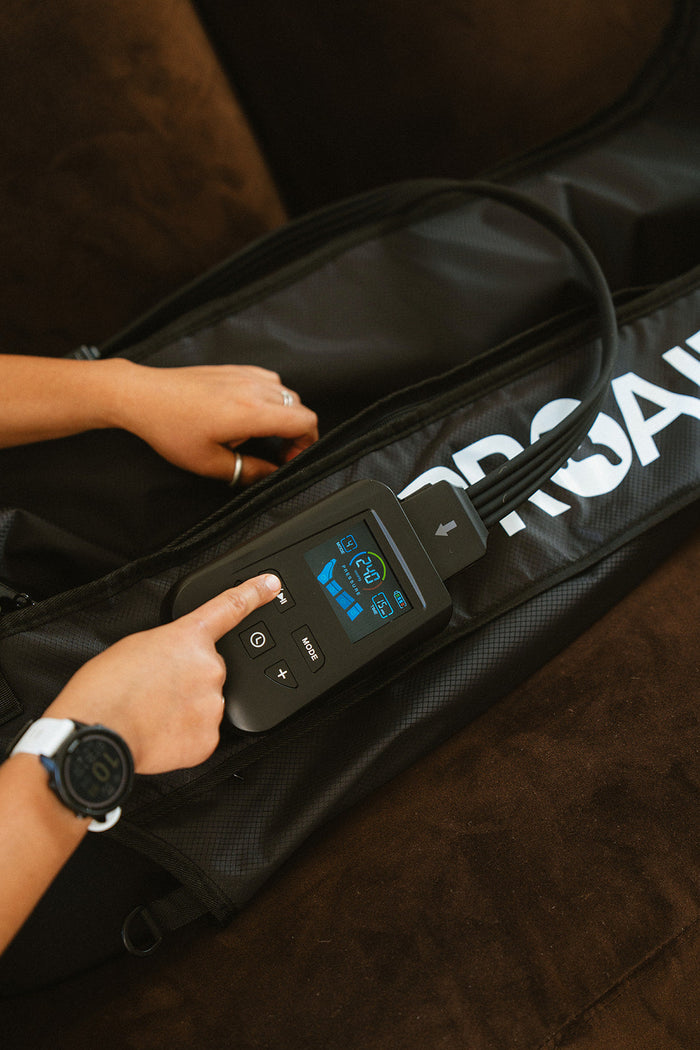
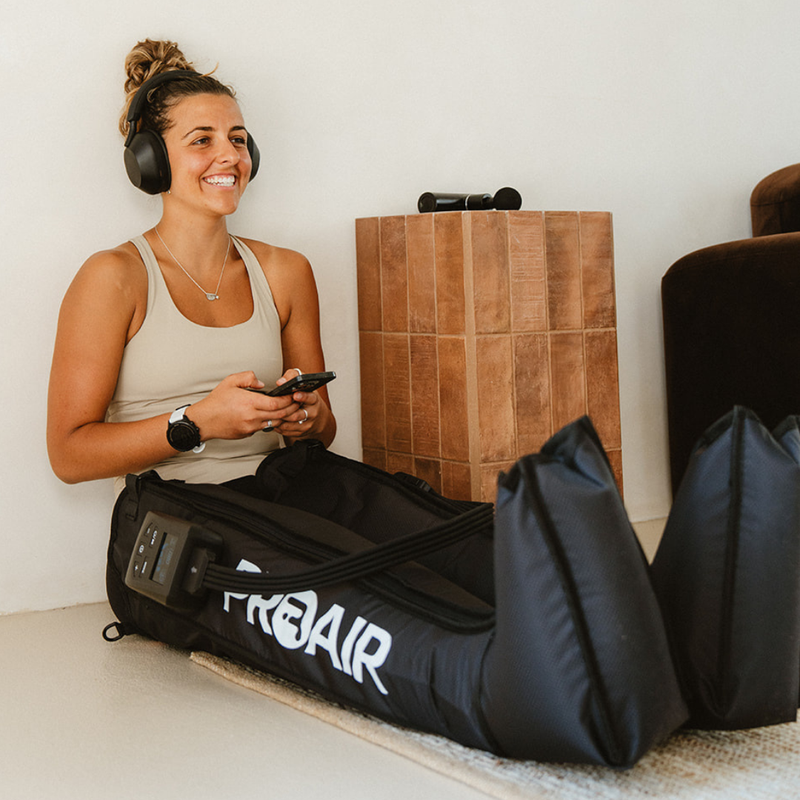
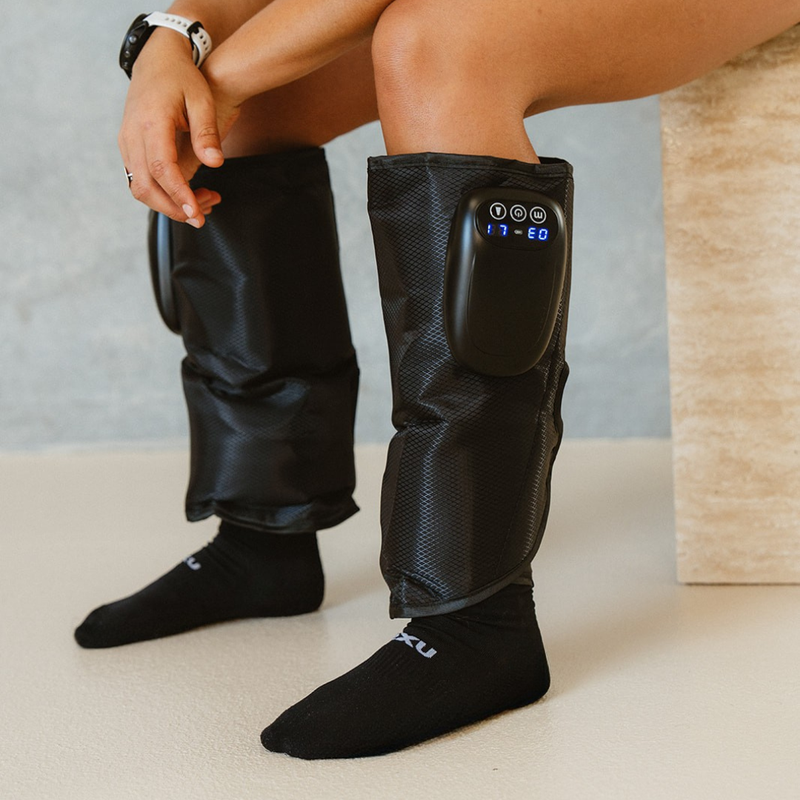
- Boots while you do something else. Answer emails, read to the kids or watch the news. The PROAir Wireless boots have no cord, so you can use them on the couch, in bed or at the office.
The most useful habit is the one you'll actually do. I'd rather you did 10 minutes five times a week than one big session you skip.
How do you protect sleep when life is busy?
Sleep is the habit that busy weeks steal first. Here's how I'd protect it.
- Set a bedtime, not just an alarm. Count back 7 to 8 hours from when you need to get up.
- Keep late sessions easy. If you can only train at night, save the hard efforts for days when you can sleep in.
- Use naps on short nights. A meta-analysis of randomised trials found daytime naps improved physical and cognitive performance and reduced fatigue. The clearest benefits came from naps of 30 to under 60 minutes (Mesas et al., 2023).
- Wind down. A simple routine helps. Print my pre-sleep routine, and read why it matters in The Importance of Sleep.
How do you know the plan is working?
Track three things for two weeks:
- Your daily Recovery Points.
- How fresh you feel when you wake up, out of 10.
- How your key sessions feel.
If points are up and you feel fresher, keep going. If you're hitting 60 points and still feel flat, look at your training load. The base of my Recovery Pyramid is the training programme. No recovery habit can fix a plan that's too hard. More in What is Recovery?
Frequently asked questions
How many rest days should I have a week?
Most people who work and train do well with one or two. Rest days still count. You can score 60 points on a day with no training.
Do I need to hit 60 Recovery Points every day?
No. Aim for most days. A busy Tuesday at 45 points is fine if the rest of the week is solid.
Is a nap better than going to bed early?
No. An early night comes first. Naps are a backup for short nights, and 30 to under 60 minutes worked best in the research (Mesas et al., 2023).
Can compression boots replace a rest day?
No. Boots help your legs feel fresher, but they add to your rest days rather than replace them.
What's the single most important recovery habit?
Sleep. Adults should get 7 or more hours a night regularly (Watson et al., 2015). It's also 20 of your 60 points.
See also How many recovery points do you score? and How Often Should You Use Compression Boots?
References
- Stults-Kolehmainen MA, Bartholomew JB, Sinha R. Chronic psychological stress impairs recovery of muscular function and somatic sensations over a 96-hour period. J Strength Cond Res. 2014;28:2007-2017. doi:10.1519/JSC.0000000000000335
- Kellmann M, Bertollo M, Bosquet L, et al. Recovery and performance in sport: consensus statement. Int J Sports Physiol Perform. 2018;13:240-245. doi:10.1123/ijspp.2017-0759
- Watson NF, Badr MS, Belenky G, et al. Recommended amount of sleep for a healthy adult: a joint consensus statement of the American Academy of Sleep Medicine and Sleep Research Society. J Clin Sleep Med. 2015;11:591-592. doi:10.5664/jcsm.4758
- Australian Government Department of Health. Physical activity and sedentary behaviour guidelines: adults (18 to 64 years) fact sheet. 2021. health.gov.au
- Mesas AE, Núñez de Arenas-Arroyo S, Martinez-Vizcaino V, et al. Is daytime napping an effective strategy to improve sport-related cognitive and physical performance and reduce fatigue? A systematic review and meta-analysis of randomised controlled trials. Br J Sports Med. 2023;57:417. bjsm.bmj.com

About the author. Dr Peter Fowler holds a PhD in sport science (Charles Sturt University), where he researched sleep and recovery in athletes, and an MSc in exercise physiology (Loughborough University). He is an ESSA Accredited Sports Scientist (Level 2). He has spent more than 15 years in high-performance sport and athlete recovery, including roles at the Australian Institute of Sport, Tottenham Hotspur and Aspetar in Qatar. He co-founded The Recovery Project with Amanda Fowler. Read Dr Fowler's full background.